
Executed at the pinnacle of Jean-Michel Basquiat’s career and illustrating a masterful combination of symbols, diagrams and words that are instantly recognizable features of his oeuvre, Untitled offers a glimpse into the artist’s energetic, imaginative and ingenious mind. Executed during an intense period of rapid evolution in his work, Foo captures the artist’s transition from his origins as a graffiti artist in New York City to a celebrated figure in the contemporary art scene. Foo is a vibrant reflection of the artist’s distinctive visual language, capturing the raw energy and inventive genius that would define his meteoric rise in the art world.
“Drawing, for [Basquiat], was something you did rather than something done, an activity rather than a medium. The seemingly throw-away sheets that carpeted his studio might appear little more than warm-ups for painting, except that the artist... kept the best for constant reference and re-use. Or, kept them because they were, quite simply, indestructibly vivid.”
In Foo, Basquiat uses oil stick to create an intricate spread of his signature motifs, blending chaotic text with figures and abstract elements to form an enigmatic, almost symphonic, arrangement. Central to the composition are five distinct heads, some of the most instantly recognizable and important motifs of Basquiat’s oeuvre. The clown-like figure in the top right, crowned with a three-pointed diadem, stands as a defining image, with a protruding nose, eyes, and spring-like lines on the right that suggest a toy clown that jumps out of a box. This figure introduces a sense of absurdity, characteristic of Basquiat’s playful engagement with identity and iconography.
Two other figures in the composition wear crown-like shapes that echo the crown of thorns, further evoking religious and historical symbols.This recurring symbol draws attention to Basquiat's unflinching exploration of authority, race, and identity, while also invoking a wider cultural history that incorporates elements of Christian iconography. These references, intertwined with Basquiat’s contemporary imagery, reflect his unique ability to bridge the gap between art history, popular culture, and the complex realities of Black identity.

Right: Pablo Picaso, The Weeping Woman, 1937
The Tate, London. Art © 2020 Estate of Pablo Picasso / Artists Rights Society (ARS), New York
All figures in Basquiat’s oeuvre are depicted without bodies, focusing singularly on different representations of the head. This emphasis on the head is central to his work, capturing both the external and psychological complexities of human identity. Describings the singular importance of the head within Basquiat’s art in terms highly reminiscent of the present work, Phoebe Hoban reflects: “Start with the head. (He painted them obsessively). The hair was a focal point…Next, the eyes. There was that look… People said his eyes could eat through your face, see right through you, zap you like the x-ray vision of his comic book heroes” (Phoebe Hoban, Basquiat: A Quick Killing in Art, London 1998, p. IX). This fixation on the head reveals Basquiat's recognition of its universal relatability, allowing viewers to see themselves within the work. By using the intensity of his line, the suppressed energy of his compositions, and the exuberance of his color, Basquiat creates a space where his audience can experience a degree of catharsis. In the case of Foo, the scorching gaze, bared teeth, and fiercely delineated physiognomy express a profound emotional intensity. This intensity reflects Fred Hoffman’s description of Basquiat’s keen observation of the psycho-spiritual states of being: “What drew Basquiat almost obsessively to the depiction of the human head was his fascination with the face as a passageway from exterior physical presence into the hidden realities of man’s psychological and mental realms… they not only peer out as if seeing, but also invite the viewer to penetrate within” (Exh. Cat., New York, Acquavella Galleries, Jean-Michel Basquiat Drawing: Works from the Schorr Family collects ion, 2014, p. 74). Through this relentless focus on the head, Basquiat crafts a visual language that simultaneously confronts and invites, challenging the viewer to engage with the deeper, hidden layers of the human psyche.
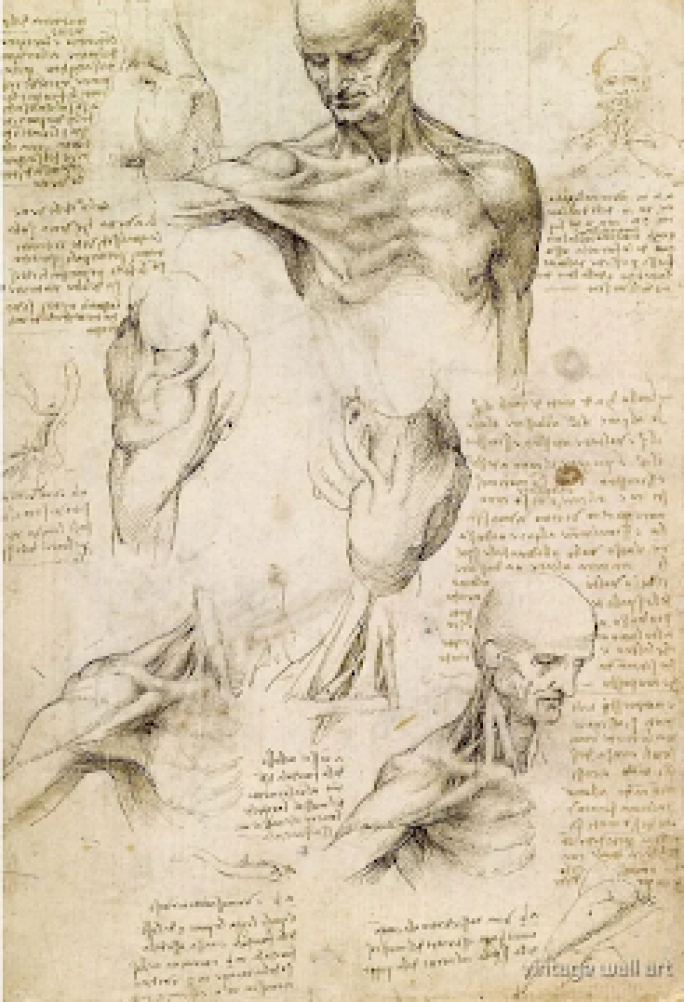
Basquiat’s integration of text into his work is a defining characteristic, and in Foo, the artist weaves language, part poetry, part cipher, seamlessly into the composition. Often, Basquiat’s words are not straightforward stat.mes nts, but rather fragmented thoughts, rambling letters, and cryptic symbols, functioning as both a visual element and a means of communication.Through the fluidity of his text, Basquiat engages with the complexities of communication and perception, challenging the viewer to decode its meaning while simultaneously embracing the ambiguity.
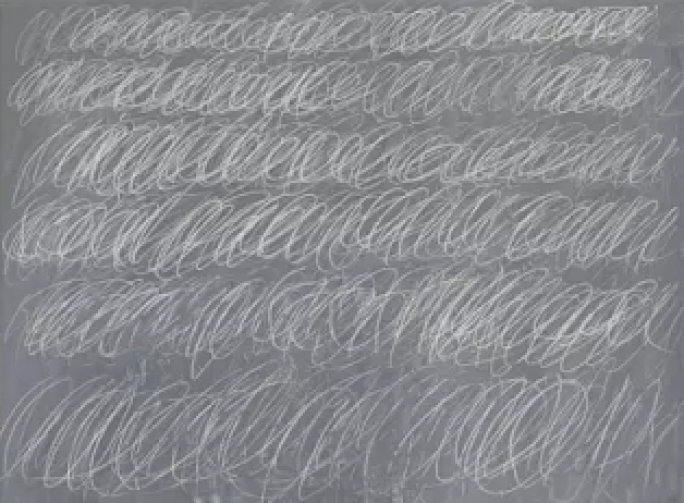
Unlike Basquiat's larger-scale paintings, the frenetic energy of his works on paper—such as Foo—captures a sense of raw immediacy. Working on paper, an unforgiving medium that offers little opportunity for overpainting or revision, allowed Basquiat to express his creative thoughts in their purest form. This unfiltered approach to creation is part of what makes his works on paper so compelling—they stand as tangible records of the artist’s distinctive and unrestrained way of thinking.
“His works have a quality that seems to draw you in; it is like they offered some kind of clue to solving the puzzle of what’s in his mind. It sounds easy, but it is quite difficult for an artist to achieve that. The words, symbols and body parts that he uses all come together to form an expression of what he is thinking of as an artist”
A self-taught artist, Basquiat possessed an innate understanding of composition and an unparalleled ability to fuse different iconographies, creating a personal lexicon that speaks to both contemporary popular culture and the art historical canon. In Foo, we see the full breadth of his creative potential—his use of symbolism, text, and figure is unencumbered, reflecting his unshakable confidence as an artist during a period when his career was accelerating internationally. With museum exhibitions worldwide and a growing recognition of his genius, Basquiat’s work during this period offers a glimpse into the artistic mind of an emerging master.
Foo encapsulates the essence of Basquiat’s artistic vision, a dynamic, multifaceted piece that invites viewers into his imaginative world. Through its bold motifs, the piece offers insight into the artist’s restlessness and unyielding curiosity, establishing it as a crucial moment in Basquiat’s career. As such, Foo is not just a work of art; it is a direct test.mes nt to the artist’s creative brilliance and his enduring legacy in contemporary art.

