In the 1990s, with the rapid development of China's economy, Chinese realistic oil paintings also changed abruptly from Scar Art which was prevalent in the 1980s to classical themes, among which the classical Chinese beauties in Chen Yifei's oeuvre was the paradigm of the genre. Beauty with Fan was painted in 1996. It showcases Chen Yifei's superb realist techniques and the ingenious blend with the artist’s creativity to create a romantic atmosphere that brings the audience onto a wandering journey between reality and fantasy.
Chen Yifei returned to China in 1993 after spending almost ten years in the United States. At that t.mes
, the artist was planning to create a new series of works namely “Old Dreams of Shanghai”, to rediscover the charm of old Shanghai deeply rooted in his heart. This artist’s plan shows his desire to revive Chinese classical culture. The “Old Dreams of Shanghai” series depicts oriental beauties wearing cheongsams and classical cost.mes
s. Beauty with Fan is the classic presentation of this series: the lines of the picture are soft, the composition is abundant, and the colors are harmonious, showing Chen Yifei's solid realist techniques. The beauties in the painting exude a sense of noble and intellectual gentleness. The delicate facial expressions are the ultimate embodiment of Chen Yifei's ideal of the beauty of women, that it is derived from the inside, through self-cultivation over t.mes
.
“In fact, a painter does not create beauty, but discover beauty and convey it to the audience. A good painter should be a cultured person. His eyes should not be limited to a small canvas. In addition to painting, I also want to make movies and start my own fashion brand. In my opinion, it doesn’t matter what channel you choose to express beauty. The important thing is what you want to tell people. There's always an organic connection between a painting and the artist’s personality"
In the 1990s, under the theme of “Grand Sight. Grand Art”, Chen Yifei as an internationally renowned artist, launched a revolutionary movement in art. In addition to directing films, starting his own fashion brand, and publishing magazines, he is committed to bringing visual art closer to people's lives. Beauty with Fan shows Chen Yifei's unremitting exploration and development in cross-category art: if we compare the cheongsam worn by the beauties in the "Old Dreams of Shanghai" series in the early 1990s, we can see the color matching and tailoring of Western fashion design incorporated into the the dress worn by the lady in this work, it is especially apparent from the collar design and the layering of the garment. Chen Yifei believes that women possess a unique sense of aesthetics. He believes that they are best at displaying fashion items. The beauty in this work exemplifies modern elegance. She is the representation of how the artist's parallel development and exploration in fashion design is perfectly integrated with his impression of the genuine beauty of a woman, both inside and out.
Props in portrait works often play an important role in perfecting the composition of the work and shaping the subject’s personality. Chen Yifei arranged a round fan for the seated lady in Beauty with Fan, which carries an important symbolic meaning: In traditional Chinese culture, the gesture of holding a fan is closely related to the idea of women’s self-cultivation. Paintings of beauties was one of the most popular genres back in the Tang Dynasty, which further matured in the Ming Dynasty; artists placed the emphasis in depicting the gestures of ladies holding fans, whether it is a dynamic depiction or just a static depiction just like the lady in this work, the round fan shaped like a full man can be seen as a personal object of the lady, that enhances the feminine image to become more delicate and charming.

The round fan is not only a personal adornment for ladies, but also a carrier of artistic creation; Beauty with Fan perfectly embodies the artist's incorporation of the creativity in traditional Chinese painting into the medium of Western oil painting. Since the Song Dynasty, fan painting has become a form of traditional Chinese painting that depicts landscape and figures within the square inches of the fan surface. A closer look at the round fan in the hands of the lady in Beauty with Fan, shows that the flowers and birds on the fan are seemingly three-dimensional, which still carries the essence of Suzhou embroidery. Chen Yifei was born in Ningbo and he then moved to Shanghai with his family in the same year. The oriental charm of his creations fully reflects the art and culture of old Shanghai and neighboring regions. Suzhou embroidery is full of symbolisms, for example, flowers and birds as a metaphor for the gentle and charming characteristics of women. The Wintersweet on the fan is a symbol of strength and pride, the characteristics of it blooming in the cold and staying in blossom for a long t.mes without withering, echoes to the noble and elegant character of the beauty in the painting, constituting a double narrative with a special meaning.
Chen Yifei's beauties carry strong ethnic characteristics. What he expresses through the models in the paintings is not limited to realistic descriptions, but also conveys a charm that is unique to the oriental tradition through portraying the spirit of the beauty. The background of the painting is a cream color, which faintly echoes to Western abstraction and conceptualism; the plain color background abandons all references to t.mes and space, and sets off the dignified and elegant temperament of the woman in the painting, condensing the quiet and peaceful atmosphere, giving the picture a sense of spirituality and eternity.
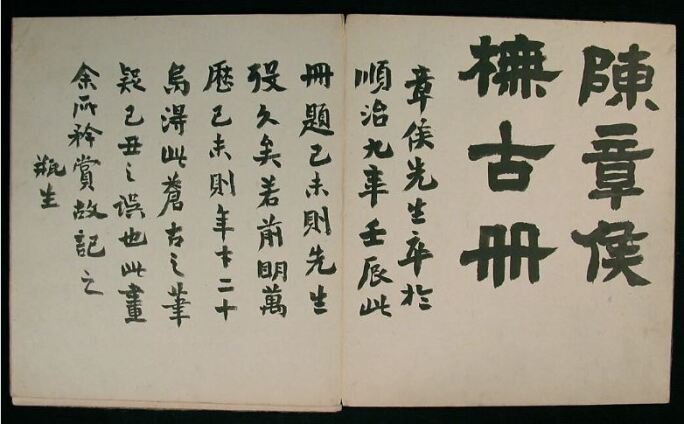
Beauty with Fan shows how Chen Yifei creates a romantic atmosphere for the viewer that transcends t.mes and space, wanders between reality and virtuality: if you look closely at the embroidery on the fan, you can see that the embroidery totem seems to extend to areas out of the fan surface and connect with the floral patterns on the lady’s dress, among which the branch of the Wintersweet and the pattern of the green leaf on the lady’s sleeve are particularly obvious. This ingenious treatment has precedents in traditional Chinese literati paintings. Chen Hongshou, a famous calligrapher, painter and poet in the late Ming Dynasty, made an in-depth exploration of the depiction of the virtual and the real in his work Miscellaneous Studies, which is currently in the collects ion the Metropolitan Museum of Art in New York. Miscellaneous Studies is an album of twelve leaves, one of which shows that a butterfly is attracted to the chrysanthemums painted on the fan. The image creates a visual illusion: it looks like the butterfly was flying behind the translucent fan, and yet it also seems like it flew into the painted floral scene on the fan, and became a part of the image on the fan. It makes viewers wonder, whether the fan was placed in front of a real floral landscape and the butterfly happened to fly by, or did the floral pattern on the fan attract the real butterfly. The artist's inscription and seal can be seen on the round fan in the painting, which indirectly draws the boundary between reality and illusion, making the entire composition intriguing. Taking a closer look at the pattern on the lady’s dress and the embroidery on the round fan in this painting, you will spot the similarities in the artist’s creative approach. Chen Yifei’s ingenious creativity fully demonstrates the philosophical exploration and practice that spans generations.
Beauty with Fan is two meters in height. It is the largest single portrait of Chen Yifei's paintings of beauties which is rare. The top five auction records of the artist are all monumental works of two meters in height or more. Warm Spring in the Jade Pavilion which belongs to the series of “Old Dreams of Shanghai” tops the ranking with a sale price of RMB 149 million. Beauties on Promenade, which depicts a similar theme, sold for HK$83 million. Beauty with Fan was exhibited in the “The Homecoming of Chen Yifei - Retrospective Exhibition” jointly organized by the Shanghai Museum and the China National Museum of Replica Handbags s in Beijing from 1996 to 1997, and was recorded in the exhibition catalog. Wind of the Mountain Village and Warm Spring in the Jade Pavilion, which are currently in the collects ion of Long Museum, were displayed side by side in the Retrospective Exhibition, which fully proves the importance of the works as the epit.mes of the respective genre in the artist’s oeuvre.

《扇》(右四)展於上海博物館〈陳逸飛回顧展〉一九九六年十二月二十二日至一九九七年一月十五日,左側《山地風》及《玉堂春暖》現藏於上海龍美術館。
九〇年代,隨著中國經濟高速發展,中國寫實油畫亦從八〇年代的傷痕風格陡然一轉,開始發展古典題材,陳逸飛筆下的古典仕女即是箇中代表。《扇》誕生於一九九六年,展示出陳逸飛高超的寫實技巧,更融入匠心獨運的創意,營造出浪漫朦朧的意境,讓觀眾彷彿徘徊於現實與夢幻之間。
陳逸飛在旅美接近十年後,於1993年回國,其時藝術家正計劃創作一個全新作品系列,並將之定為《海上舊夢》,重新展現深植於內心的老上海風韻,此創作計畫盡見陳逸飛重振中國古典文化的渴望。《海上舊夢》系列主要描繪穿著旗袍及古典服飾的東方女性,《扇》即為此系列之經典呈現:畫面線條柔和,構圖飽滿,色彩和諧而且造型嚴謹,展現陳逸飛扎實的寫實功底。畫中美女流露高貴知性的溫柔氣息,眉宇間若有所思的細緻神緒,皆是陳逸飛對於女性之美,源自點滴累積之修養的極致體現。
「其實,畫家並不是在創造美,而是發現美,是把美的東西傳達給觀眾。好的畫家應該是一個真正的文化人,他的眼睛不能只局限於一塊小小的畫布,這也就是我在繪畫之外,還要去拍電影、設計服裝的緣故。選擇什麼樣的形式表達美,在我看來並不重要,重要的是你想告訴人們什麼。我想一個畫跟人的性格總是有一個有機聯繫。」
陳逸飛於九〇年代已是蜚聲國際的寫實大師,如日中天的他非但毫不自滿,反而雄心萬丈地以「大視覺、大美術」為號召,展開一場革新國人眼界的美學運動,在油畫創作之上,陳逸飛亦執導電影、開創時裝品牌與出版雜誌,致力令視覺藝術更接近人們的現實生活。《扇》展現陳逸飛在跨界藝術上的不懈探索及發展:若以九〇年代初期,《海上舊夢》系列中仕女的旗袍穿著對比,《扇》中美女所穿之服裝,從領口設計、衣履的層次配搭,皆可見融入西方時裝的配色及剪裁。陳逸飛認為女性對美具有獨到的敏銳度,並且認為她們最能感知並展示時尚;《扇》中仕女散發著富有現代感的典雅韻味,足見藝術家在時裝設計的平行發展及探索,完美融入其心中唯美而內外兼備的女性形象。
肖像作品的道具,往往是藝術家構圖佈局、塑造人物個性的重要一環。陳逸飛在《扇》一作中為仕女安排一柄團扇,即含有重要的象徵意義。在中國傳統文化之中,執扇與女性的涵養有著密切的關聯:從輝煌於唐代繼而成熟於明代的仕女圖可見,畫家尤其著重描繪仕女的執扇姿態,不論是以扇撲蝶或掩面的動態描繪,還是單純如《扇》中女子執扇而坐的靜態抒寫,皆可見形似圓月的團扇作為仕女的貼身之物,使女性形象更顯嬌柔嫵媚。
團扇不僅為仕女的貼身裝飾之物,本身更是藝術創作的載體;《扇》完美體現藝術家於西方油畫的創作媒材中,融入國畫創意。扇面畫是宋代以來的國畫傳統,扇面的方寸之間勾勒出細膩的山水人物,容下千姿百態,獨具匠心。細觀《扇》中仕女手中的團扇,可見扇上花鳥別具立體感,猶有蘇州刺繡的精粹。陳逸飛出生寧波,並於同年前往上海,其創作流露的東方韻味盡顯老上海以及比鄰地域的藝術文化。蘇繡的圖騰富有寓意,如以花鳥比喻女性溫柔嫵媚的特質;《扇》中團扇的臘梅素有堅強、高傲的象徵寓意,其歲首沖寒而開,久放不凋的特質,與畫中仕女高潔幽雅之態相互映照,形成畫中有畫之雙重敘事,別具深意。
陳逸飛的仕女畫具有強烈的中國民族特色,其透過畫中模特兒所表達的並不止於寫實的描繪,更在於透過表現女子的形與神,傳遞一種專屬於東方傳統的風韻:《扇》以大面積的奶白作為純色背景,隱隱呼應著西方抽象與概念主義;純色背景摒棄一切對時間及空間的指涉,簡潔地映襯畫中女子端莊爾雅的氣質,凝住温婉靜美的恬適氛圍,賦予畫面靈性及永恆之感。
《扇》無論在畫面整體以至細節描繪上,皆展現陳逸飛為觀者營造跨越時空虛實,且徘徊於現實與夢幻之間的浪漫氛圍:細觀仕女手中的團扇刺繡,可見刺繡圖騰猶似延伸至團扇之外,與仕女服裝上的花卉圖案連結,其中以蠟梅花枝與仕女手袖上綠葉圖案的部分尤見明顯。此一巧妙處理在中國傳統文人畫已有先例,明末著名書畫家及詩人陳洪綬,在其現藏紐約大都會藝術博物館之著作《橅古圖 冊》中,對虛實的描繪表現曾深入探索:《橅古圖》一冊十二頁,藝術家在其中一頁描繪一隻蝴蝶被畫在扇子上的菊花所吸引,蝴蝶既似飛到半透明的扇子背後,又似飛進扇上所繪的圖景之中,成為扇上圖騰的一部份,令觀者不禁細想:到底是扇面本身並無任何圖騰,只是被置放在現實中的花卉風景而蝴蝶剛好飛過;還是扇上的花卉圖案吸引了現實中的蝴蝶?畫中的團扇上可見藝術家題款及鈐印,則間接為現實與虛幻畫下界線,耐人尋味。引以觀照本作《扇》在仕女服裝上的圖案以及團扇上的刺繡,即見異曲同工,藝術家匠心獨運的創意,盡顯跨越世代的哲思探索與實踐。

明/清 陳洪綬 橅古圖 冊(紐約大都會藝術博物館藏)
©The Metropolitan Museum of Art, New York
《扇》尺幅高達兩米,是陳逸飛仕女題材的單人肖像作品中,尺寸最大之作,可堪珍罕。現居藝術家拍賣紀錄之首五位,全屬兩米或以上之巨幅作品,與本作同屬「海上舊夢」主題系列的《玉堂春暖》以1億4,900萬人民幣居首,而主題相近之《麗人行》則以8,335萬港幣成交。《扇》曾在一九九六至一九九七年展出於上海美術館與北京中國美術館聯辦的《陳逸飛回顧展》,並著錄於展覽圖錄,同樣出展於此回顧展的著作包括現藏上海龍美術館的《山地風》及《玉堂春暖》,三作於回顧展中並排亮相,足證為藝術家標誌性創作之典範。
