We use data collects
ed by cookies and JavaScript libraries to improve your browsing experience, analyze site traffic, deliver personalized advertisements, and increase the overall performance of our site.
Are you sure you want to cancel?
Your preferences have not been saved. By continuing to use our website, you՚re agreeing to our Privacy Policy.
404
Oops, the page you are looking for doesn't seem to exist.
You may have mistyped the address or the page may have moved.
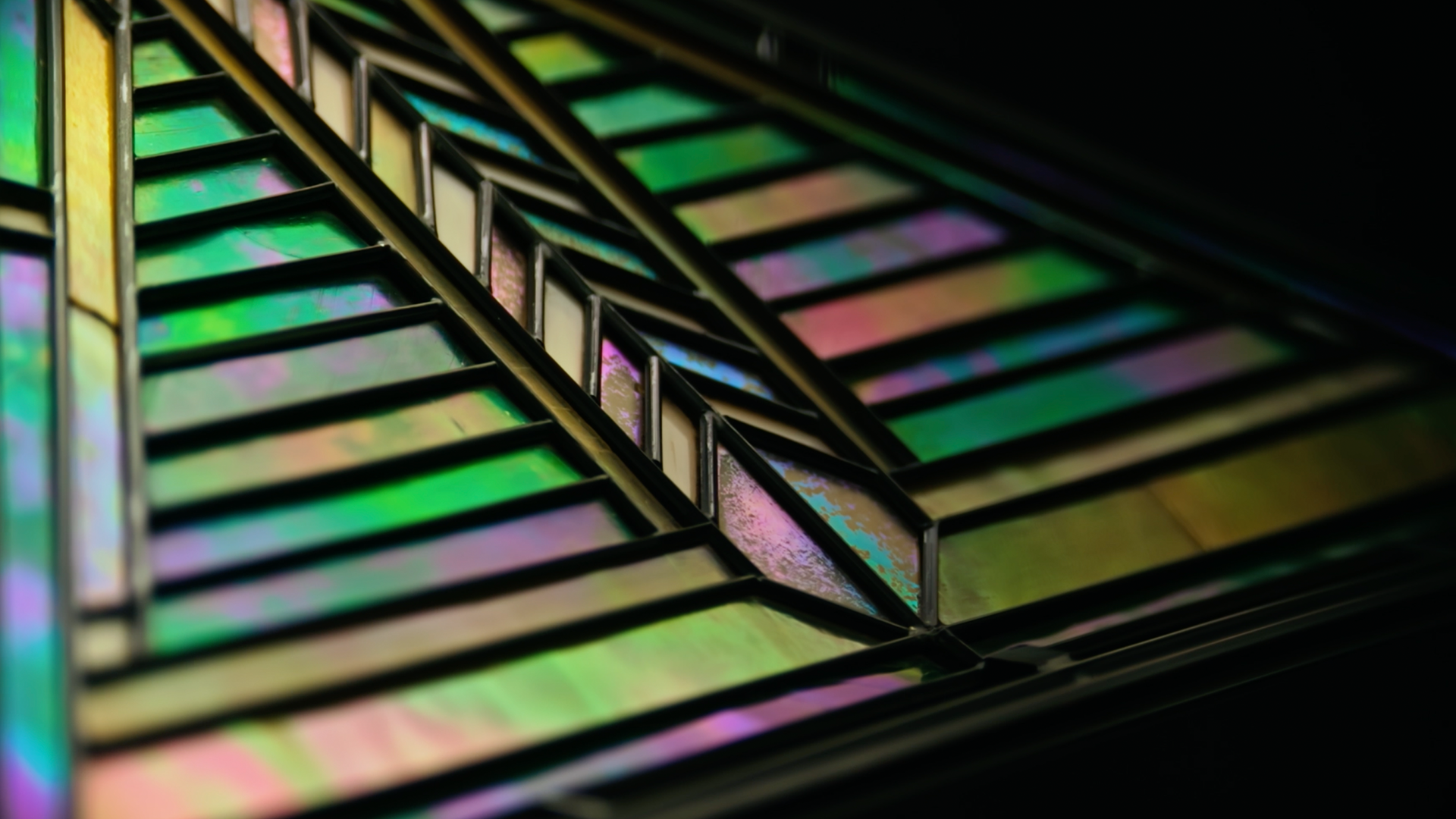
Estimated at $3–5 million, the Double-Pedestal Lamp isn’t just any design object. It’s one of only two ever made, a sculptural masterpiece that brings together glowing glass, bold geometry, and electric light in a way only Wright could. Created in 1902 for Susan Lawrence Dana’s Springfield home — one of Wright’s most extravagant commissions — the lamp is a rare glimpse into the architect’s total vision, from base to beam.
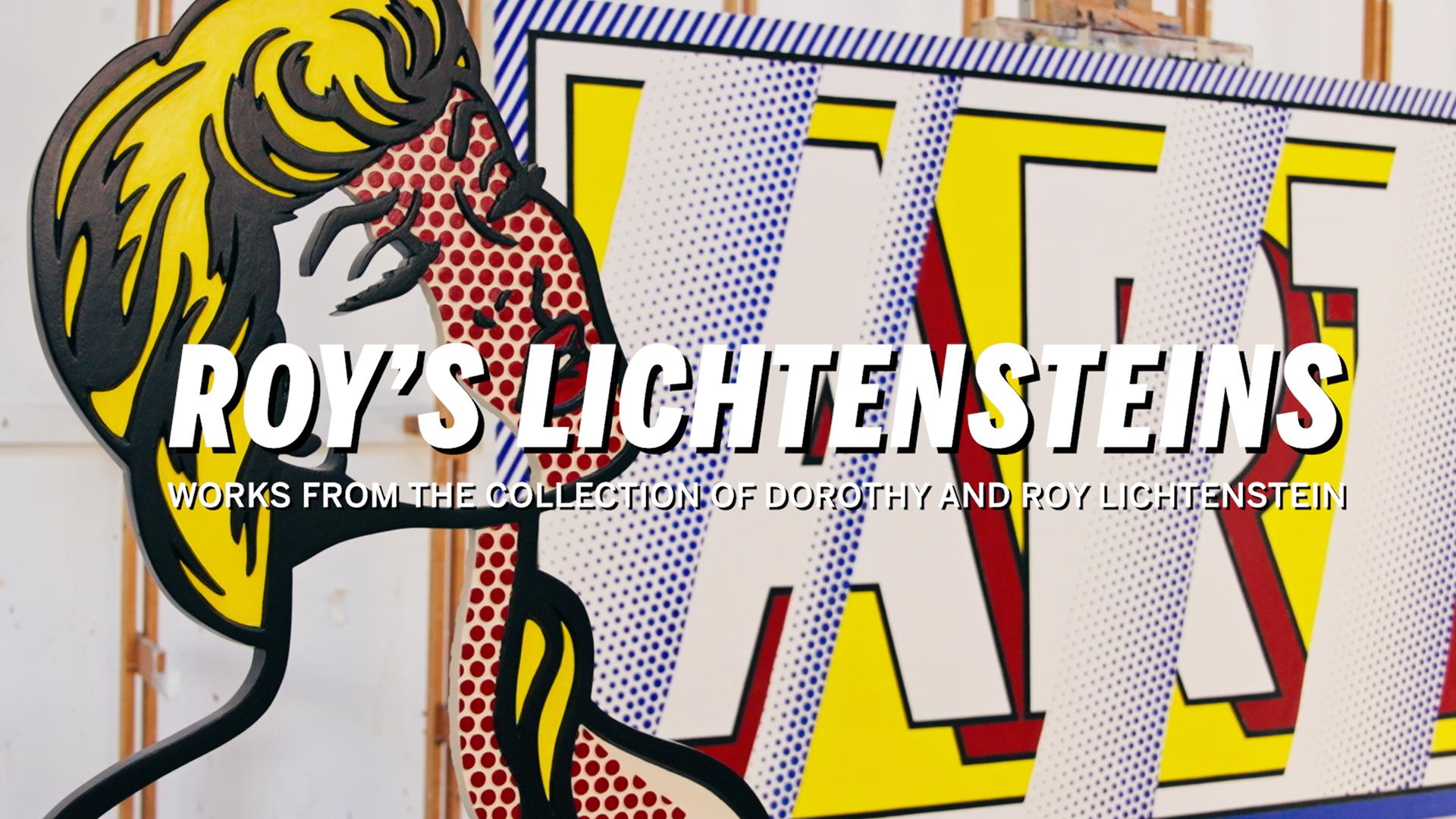
Roy Lichtenstein’s signature style may be unmistakable, but what did it feel like to be inside his world — in the studio, at home, or witnessing the evolution of his practice up close? In this rare glimpse behind the canvas, Roy’s son Mitchell Lichtenstein and longt.mes
Southampton studio assistant James DePasquale share intimate reflections on Roy's creative life, routines, and sense of humor. Their stories frame a collects
ion decades in the making. Replica Shoes
's is proud to present over 40 works held privately by Roy and Dorothy Lichtenstein, now coming to auction for the first t.mes
.
Im Spazio: The Space of Thoughts charts a powerful transatlantic story about the radical confrontations with the canvas to emerge out of mid-century Italy and the United States. Coming from the personal collects
ion of visionary gallerist, dealer and advisor Daniella Luxembourg, these works – offered as part of a dedicated Evening Auction – present an unflinching challenge to the supremacy of the picture plane. Featuring epoch-defining masterworks by Lucio Fontana, Albert Burri, Alexander Calder, Claes Oldenburg, and Michelangelo Pistoletto, among others, these selections from her collects
ion capture a moment of profound rupture in the artistic development of the twentieth century.
Selections from the collects
ion of Barbara Gladstone encapsulates her visionary spirit and profound impact on the creative output of our t.mes
. The trusted steward of a new international artistic vanguard, her enduring legacy remains as multifaceted and far-reaching as the artists she represented as a gallerist. This dedicated Evening Auction reflects how her discerning taste and foresight have both reflected and defined her moment, led by exceptional examples by Richard Prince, Elizabeth Peyton, On Kawara, Thomas Schütte, Mike Kelley, and Carroll Dunham, among others.
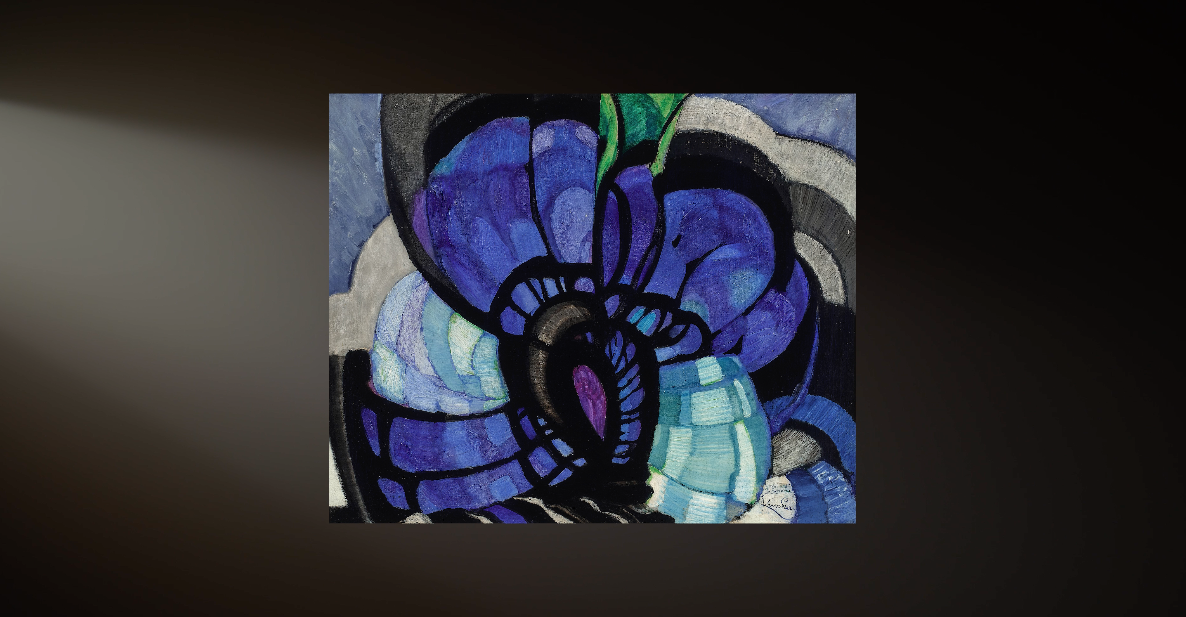
By the 1920s, Kupka had fully broken from figurative painting and was working independently in his studio outside Paris. His art from this period, including Flux et reflux (1923) and Formes flasques (1919–25), marked a decisive move into pure abstraction, placing him among the first artists—alongside Wassily Kandinsky and Piet Mondrian—to explore non-representational art in its fullest sense. Color, movement, and form became his primary vehicles of expression.
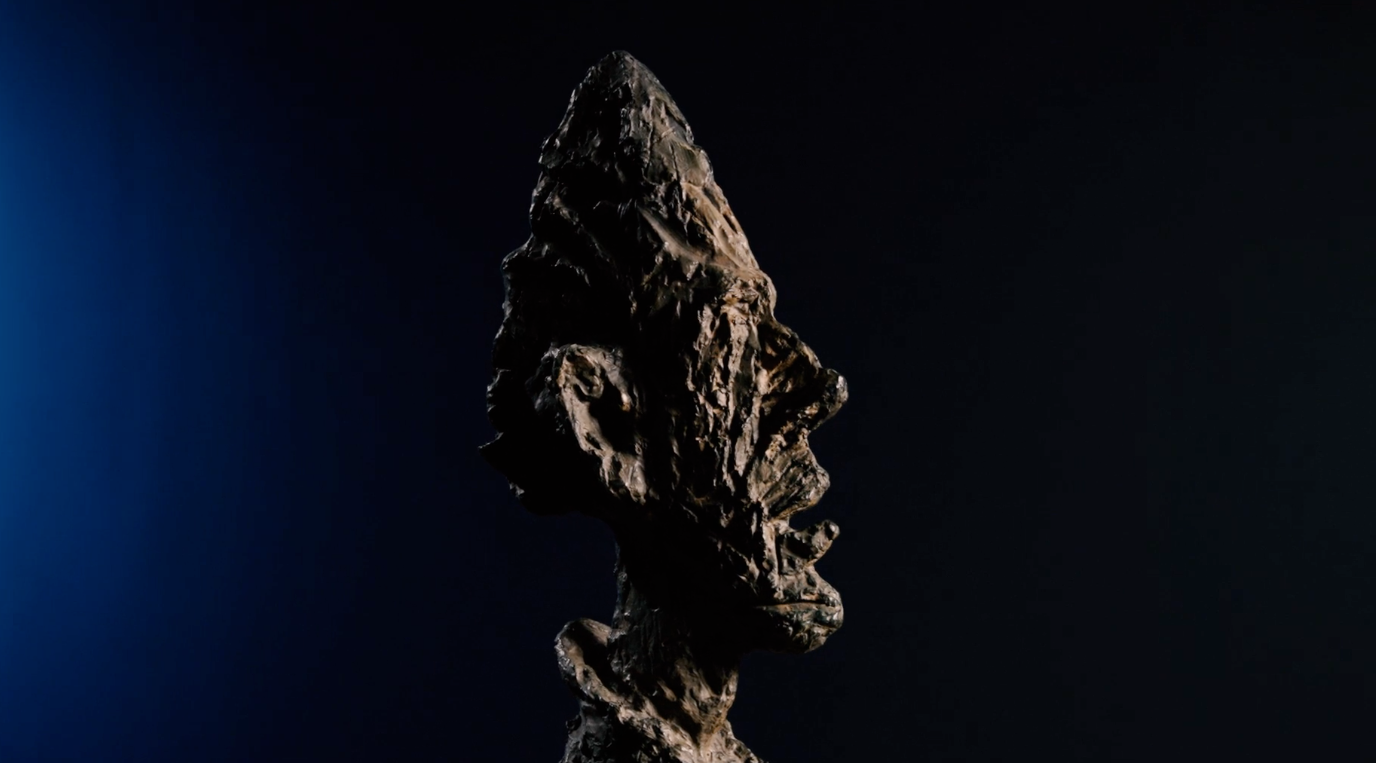
Grande tête mince is Alberto Giacometti’s masterpiece. Here we find the definitive expression of his quest for a new sculptural language, one that captures the artist at his most evocative and haunting. Encountering this uniquely painted bust of the artist’s brother Diego, whether head-on or from the side, leads to necessary surprise and discovery on the part of the viewer. There is a constant, dislocating sensation of wanting to go closer to see each gouge in the surface and simultaneously go further away to understand the full effect of the overall expression. The nuance of the richly hand-painted surface found on this sculpture further distinguishes it from all other casts of this form. Giacometti animates this “knife-blade” head not only through shape and texture but also with his impactful palette of blacks, browns and greys, all richly applied and remarkably well preserved, which serve to bring the form uniquely to life. Grand tête mince stands alongside Giacometti’s L’Homme qui marche, Le Nez, L’Homme au doigt and Le Chien as a masterpiece of the artist’s oeuvre and as one of the defining sculptures of the twentieth century.
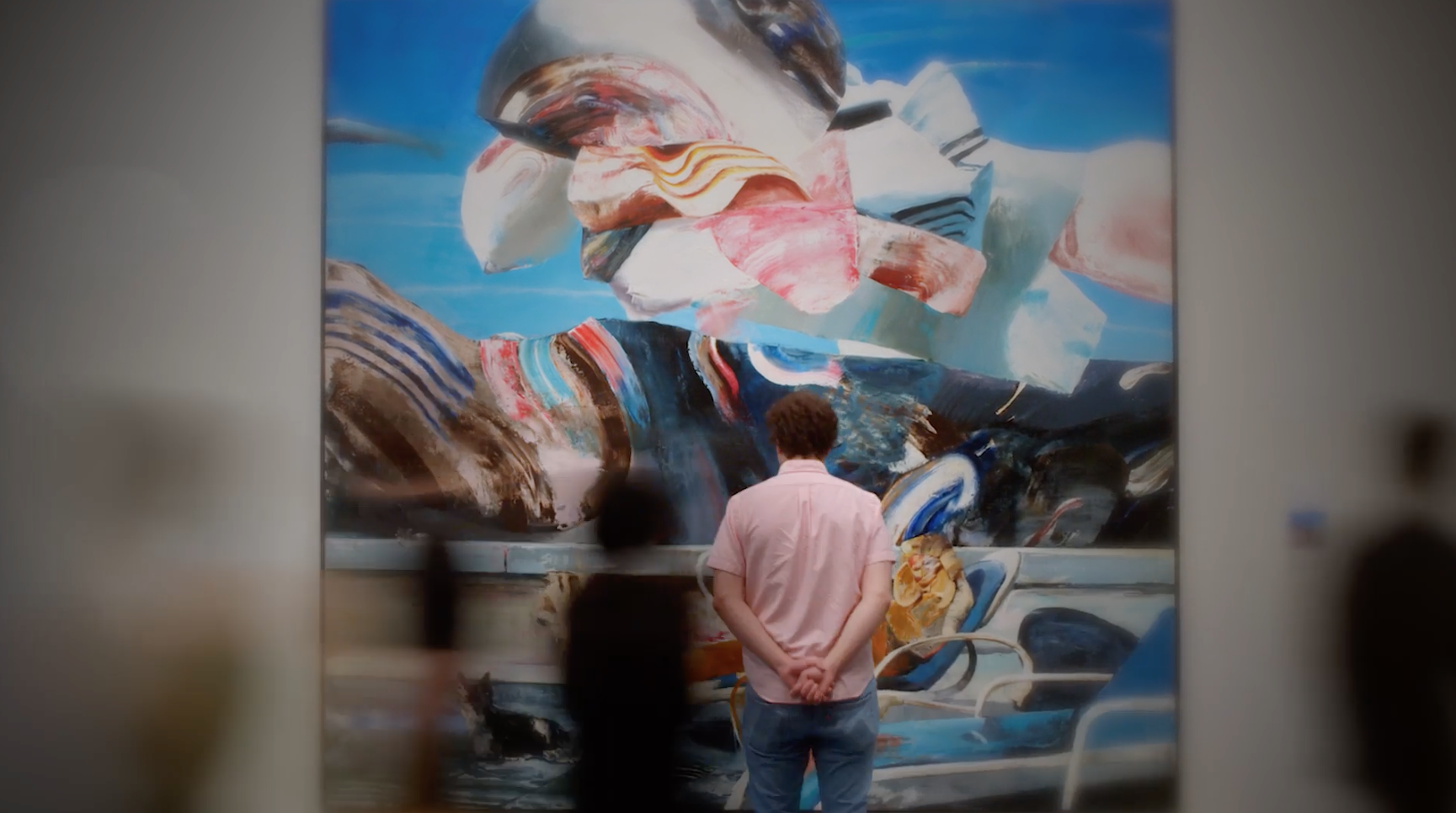
Haunted by the surreal presence of a monumental head lurking above, the protagonist of Adrian Ghenie’s Alpine Retreat 2 lies in repose, only to be obliterated by his signature pastose, magmic drags of cerulean, white, and scarlet paint. Executed in 2017, the present work is the sister painting to The Alpine Retreat, which dates to the year prior and today resides in the collects
ion of The Metropolitan Museum of Art, New York. Together, these works see the artist’s facture, psychological inquiry, and revisionist reconsiderations reach their apogee, representing the apex of Ghenie’s uncompromising subversions of twentieth-century history painting, a subject which served as the focus of the artist’s critically acclaimed presentation at the 56th Venice Biennale in 2015. The present work depicts a pregnant Eva Braun, Adolf Hitler's mistress, at their Bavarian mountain chalet. Her anachronistic depiction—the pair never conceived a child—proffers an ideological birth more than a literal one: reflecting on a legacy of global extremism, the proliferation of hate speech, and discourse regarding the health of democracy around the world, Alpine Retreat 2 becomes more resonant and relevant with each passing year. Marrying formal gesture and historical heft, Ghenie reconciles allegory and abstraction in one of the most arresting and irrefutably important paintings of his career.
Sotheby’s Modern Evening Auction will showcase an exceptional group of works from the esteemed collects
ion of Joseph H. Hazen—the renowned Hollywood film producer and distinguished art collects
or. The collects
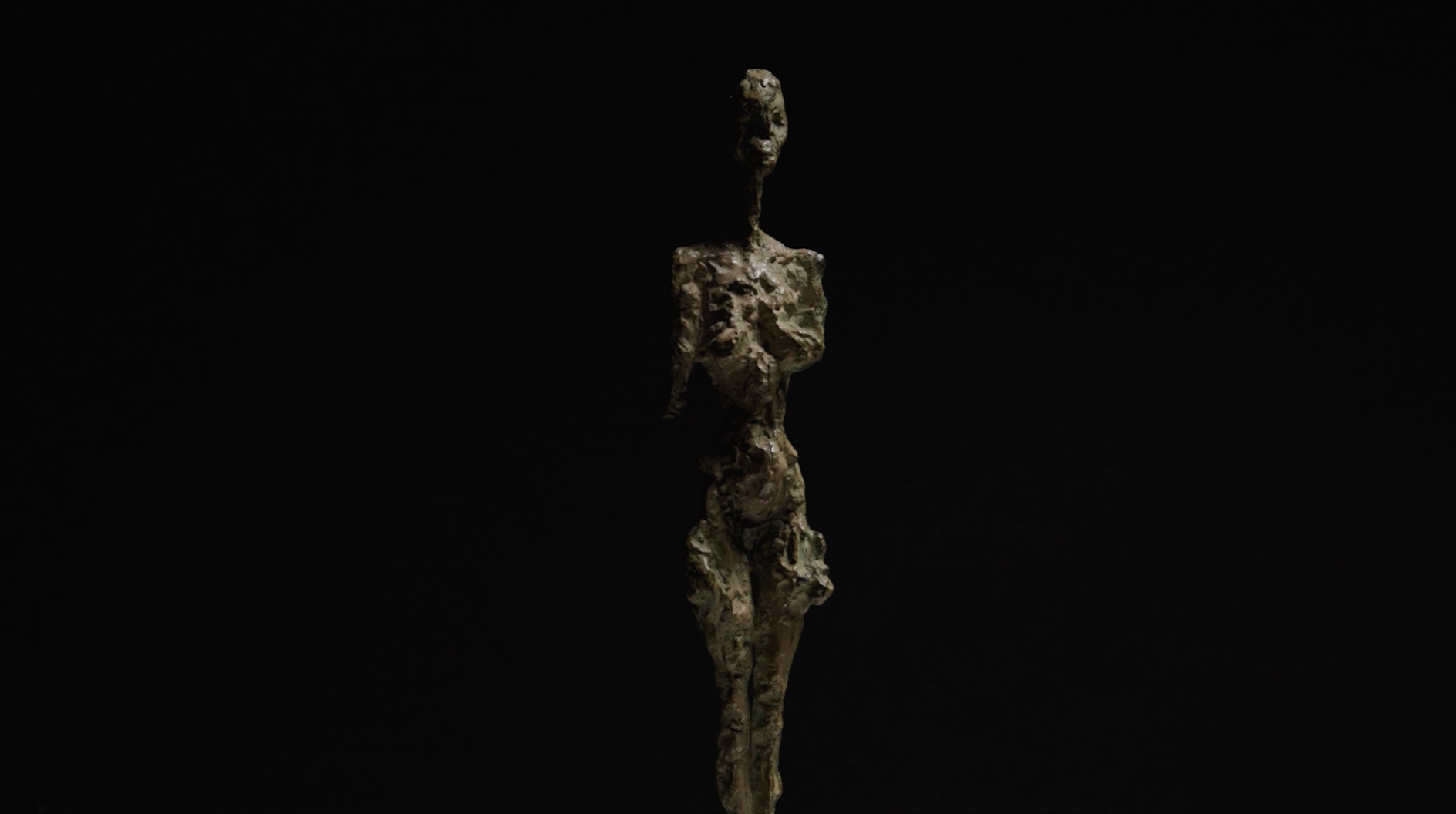
ion is led by Fernand Léger's La Jeune fille au bouquet and Alberto Giacometti’s Femme debout (Poseuse I), alongside important works of Orphism including two paintings by František Kupka—among the most valuable by the artist ever to appear on the market—and Robert Delaunay’s previously unseen Nature morte, created just one year before his landmark mural for the 1937 World’s Fair in Paris.
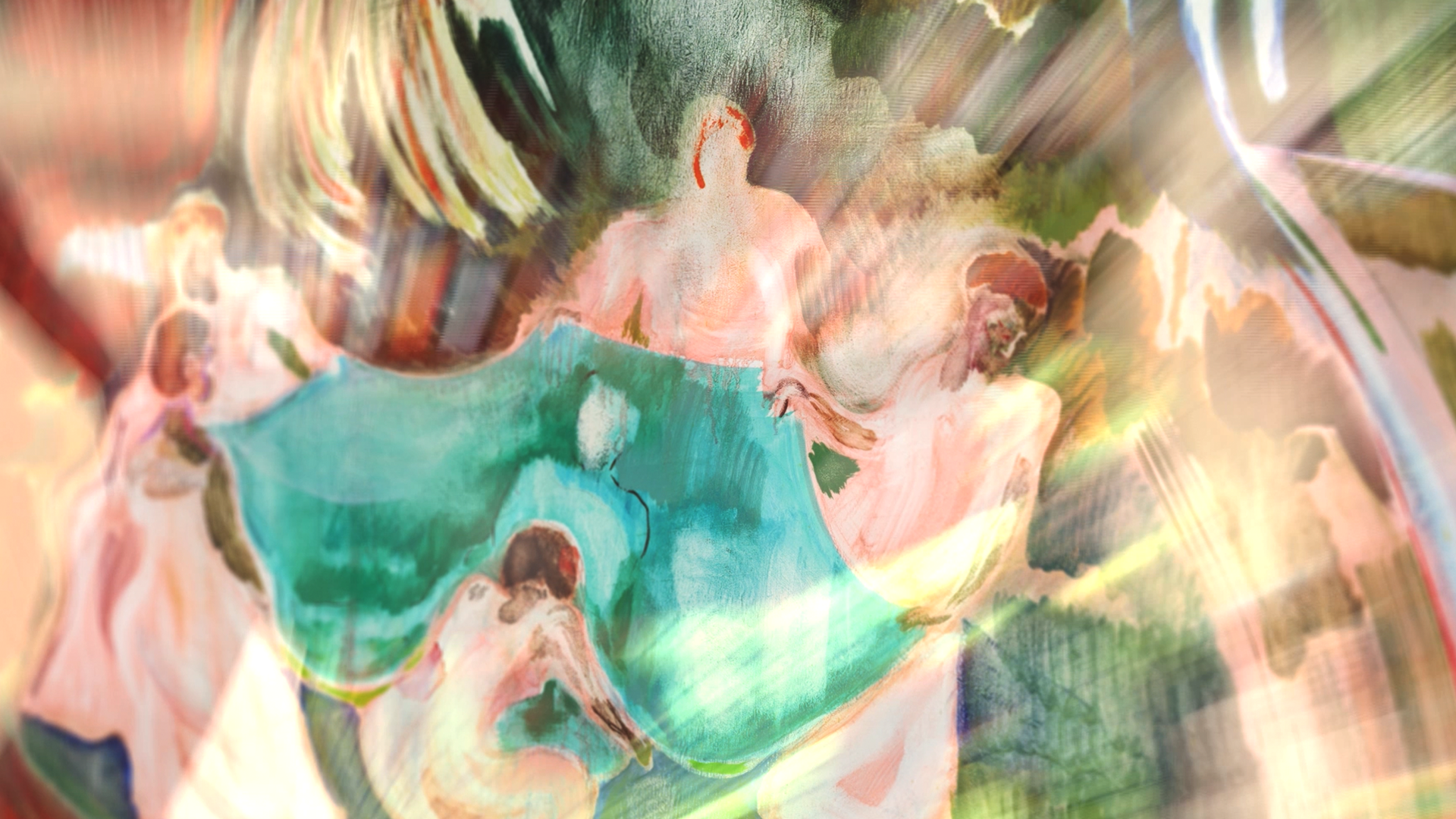
Michael Armitage doesn’t just paint—he rewires the way we see history. Mpeketoni might appear dreamlike at first glance, but look closer: bark cloth ripples like skin, spectral figures hover in jewel-toned pools, and a haunting backstory quietly emerges beneath the surface.
Richard Prince’s Man-Crazy Nurse doesn’t just provoke—it disorients. With blood-red strokes, a masked face, and echoes of pulp fiction seduction, the work draws you in with its surface allure and leaves you grappling with something far deeper.